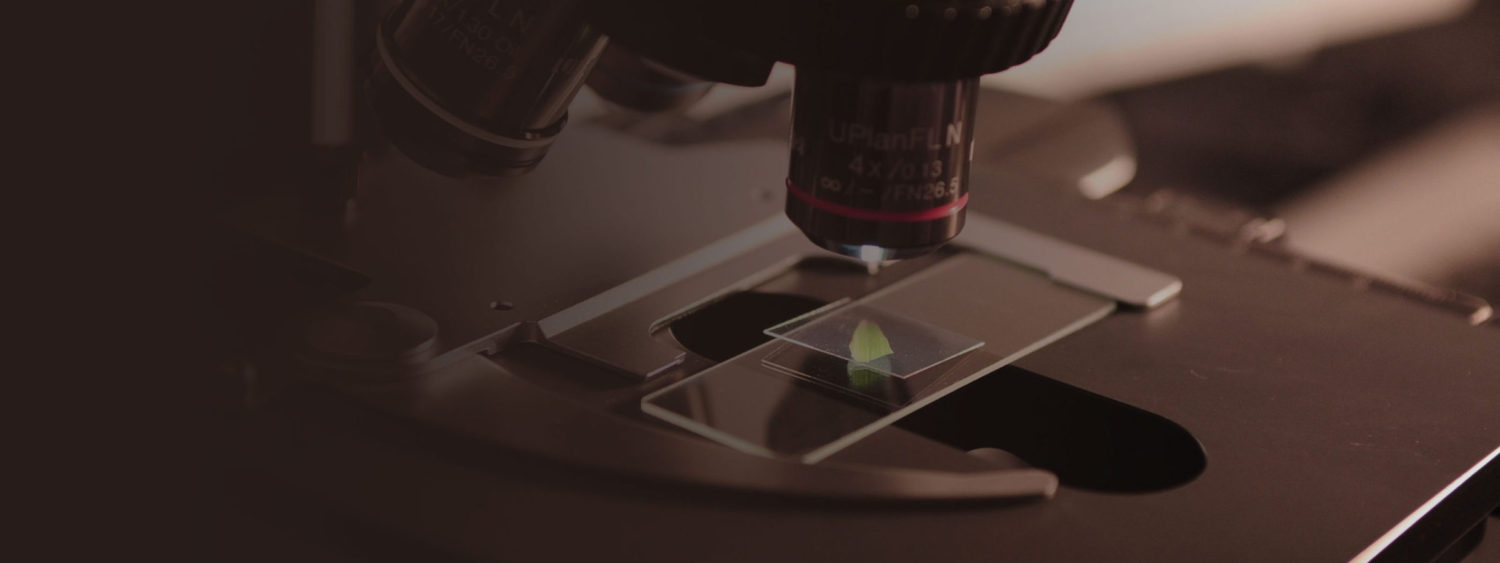
Microscope Reviews & Educational Information If you’re here, you’re probably brand new to microscope use and looking for some advice. No problem! That’s why we’re here! So here are some microscope basics to get you started–as well as a few tips and tricks to avoid some common pitfalls when searching for your first microscope. Key…
Fluke 62 MAX+ Review: Macroscopic IR Spot Records, Not Thermal Images
Disclosure: As an Amazon Associate I earn from qualifying purchases. Check the exact Fluke 62 MAX+ offer on Amazon Supplier image: Amazon product listing for the Fluke 62 MAX+. Illustration only; displayed readings do not establish tested performance or the contents of a shipped carton. A professional IR spot check, not a thermal image The…
Extech SD700 Review: Ambient Pressure, Humidity and Temperature Records
The Extech SD700 is a room-condition record keeper for pressure, relative humidity, and temperature beside a visible materials inspection. Its value is the dated SD-card trail, not a promise of preservation control or laboratory validation. What it records beside the bench The SD700 simultaneously displays barometric pressure, temperature, and relative humidity on its triple LCD,…
UEi EM201SPKIT Review: Differential Pressure Records and the Accuracy Gap
Short version: consider the UEi EM201SPKIT only when a trained, competent professional needs a handheld differential-pressure record alongside visual air-path and filter inspection. Skip it when the purchase depends on a documented numeric accuracy-error bound, air-velocity measurement, absolute pressure, logger export, or a safety certification. The central buying fact is not resolved by the display…
Shimpo FGE-20XY Review: Axial Push/Pull Force Records Beside Inspection
Conditional buying note: The Shimpo FGE-20XY is best understood as a compact materials-bench force gauge for recording axial push and pull forces alongside visual inspection—not as a mass-weighing instrument or proof of medical, brake, firearm, safety-certification, or production-tolerance compliance. What the FGE-20XY records The model is listed at 20 lb, 10.00 Kg, and 100.0 N…
Extech 461920 Review: Photo RPM and Revolution Counts Beside Inspection
Short version: The Extech 461920 BASE is a conditional fit when you need a handheld, non-contact photo tachometer for a visible rotating target—not a microscope accessory or proof of machine safety or validated performance. Its useful question is narrow: can it give you a documented RPM or revolution count from a suitable reflective target while…